Guides · Day trips
A 9-Hour Suzhou Day Trip from Shanghai
This is the exact day I run when a friend has one spare day in Shanghai and wants Suzhou. Allow about nine hours door to door, from leaving your hotel around 08:00 to returning around 17:00, assuming a People’s Square base in Shanghai. You arrive by fast train, cross the old moat by water bus, eat a locals' shengjian breakfast, walk to the Humble Administrator's Garden with a guide, and end with the Suzhou Museum and a snack crawl along Pingjiang Road. Every leg after breakfast is on foot — no taxis, no transfers, no backtracking.
- Leave your hotel08:00
- Train to Suzhou08:30
- Water bus to Qimen09:15
- Shengjian breakfast09:45
- Humble Administrator’s Garden10:30
- Suzhou Museum12:30
- Pingjiang Road14:00
- Train back to Shanghai16:00
Getting there: the 08:30 train
Leave your hotel around 8:00 (this plan assumes a People’s Square baseline) and take the metro or a taxi to Shanghai Railway Station — not Hongqiao. The city-center station saves you half an hour of crosstown travel each way.
Book a fast service to Suzhou Station around 08:30. Trains like D2906 or G7006 run direct in about 25–35 minutes. Two things matter more than the train number, though: depart from Shanghai Station, and arrive atSuzhou Station — most high-speed trains use Suzhou North instead, which is 30+ minutes from the old town by metro. Check current times on 12306 or Trip.com; numbers and schedules change with each timetable adjustment.
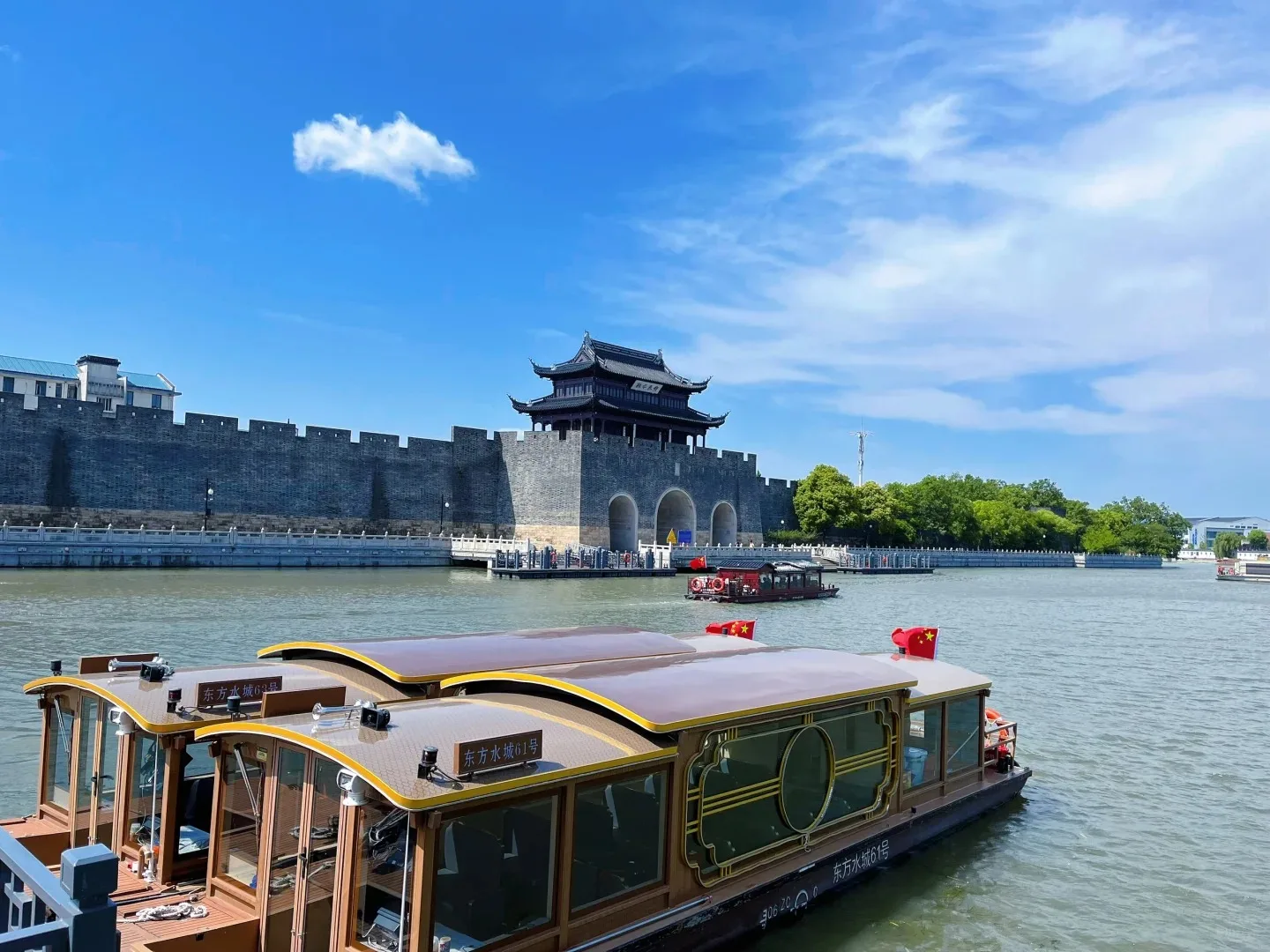
09:15 — Cross the moat by water bus
At Suzhou Station, follow the signs to the south square (南广场). Find the statue of Fan Zhongyan (范仲淹) — the Song-dynasty statesman born in Suzhou — and walk about 20 meters east of it. There you'll find the pier for the water bus on the ancient moat (环古城河水上巴士).
Take the boat to Qimen Pier (齐门码头). It's a short, cheap ride along the old city moat — the walls, gates and willows sliding past — and it drops you exactly where the old town begins. Locals use it as transport; almost no visitor knows it exists. That's the right way to enter a canal city: by water.
09:45 — Shengjian breakfast at Xin Zhenyuan
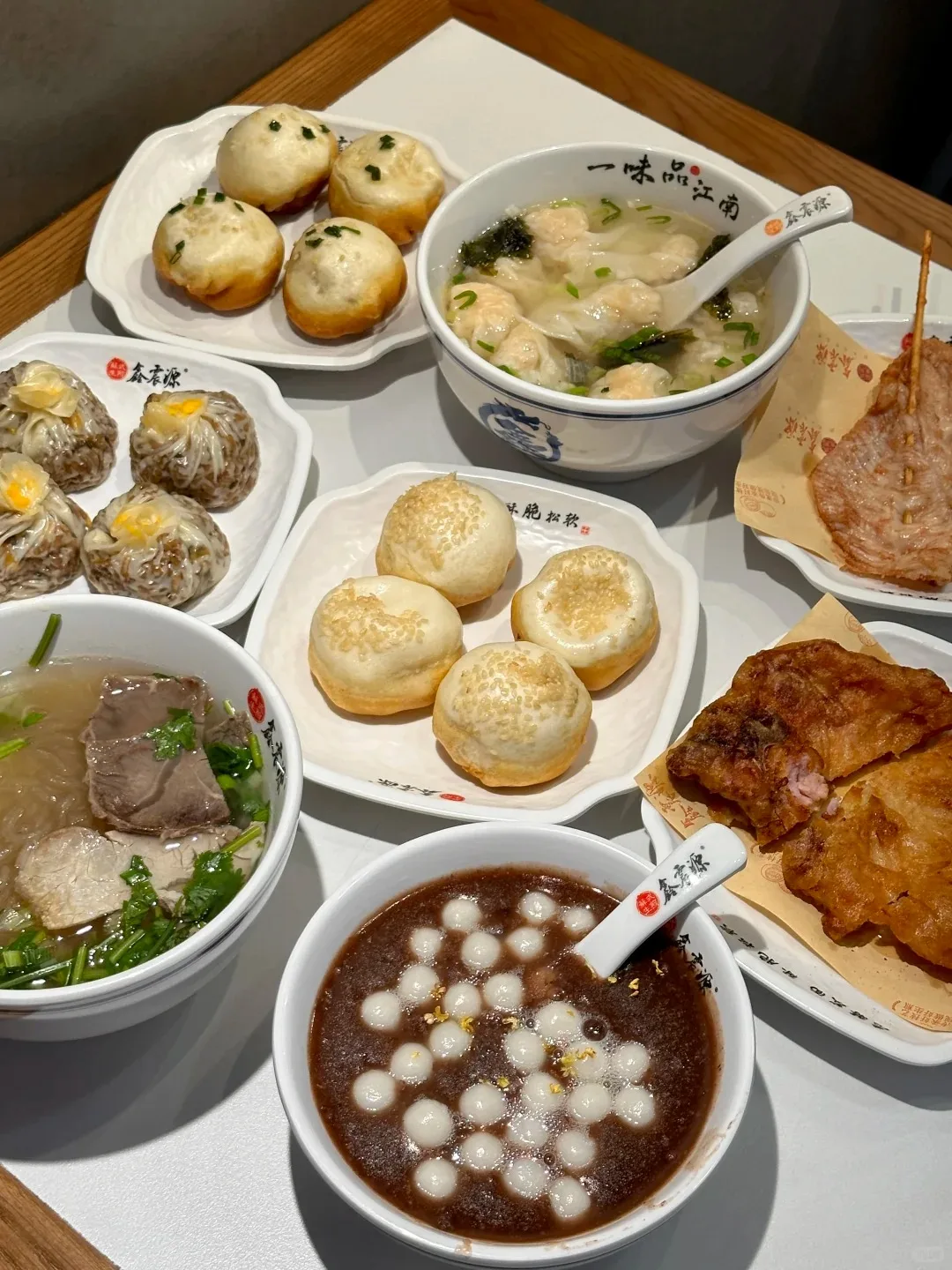
From Qimen Pier, walk about 800 meters (10 minutes) toXin Zhenyuan (鑫震源), a Suzhou shengjian chain that locals genuinely eat at — this is where Suzhou friends take me for breakfast, not a tourist canteen. Order at the counter:
- Prawn shengjian (大虾生煎) — the signature; each bun holds a whole prawn.
- Crayfish shengjian (小龙虾生煎) — seasonal; if it's on the board, get it.
- Osmanthus red-bean rice balls (桂花豆沙小圆子) — warm, lightly sweet, the right finish.
One warning: shengjian are soup-filled. Bite a small hole, sip the broth, then eat — first-timers who bite straight in wear the soup. That's part of the fun.
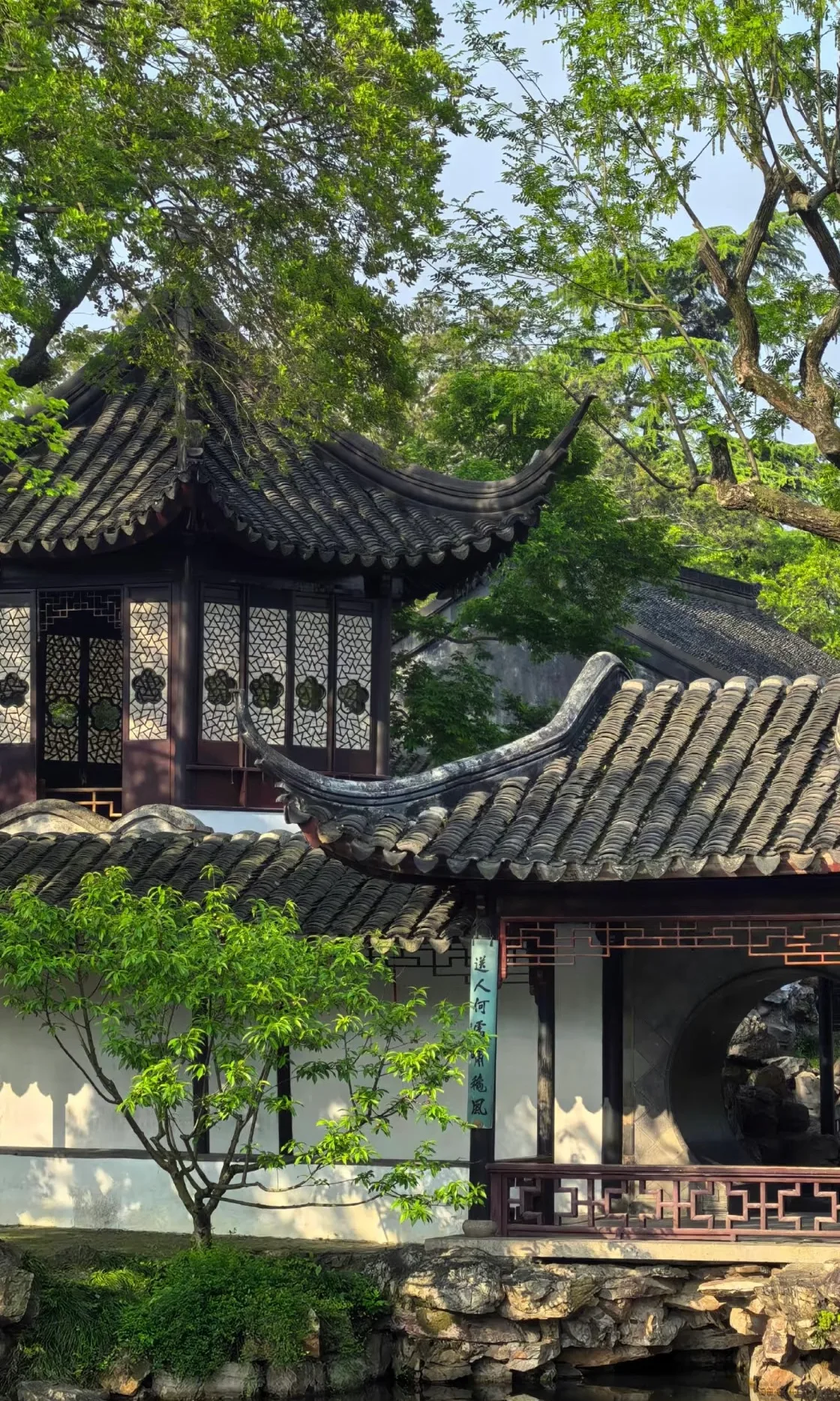
10:30 — The Humble Administrator's Garden, with a guide
From breakfast it's a 5-minute walk to theHumble Administrator's Garden (拙政园) — Suzhou's largest and most complete classical garden. This is the one place on the day where I tell people to spend money: hire a guide at the gate. Budget aboutan hour with the guide, then 30 minutes wandering on your own — the tour gives you the keys, the free half hour is when the garden becomes yours.
A Chinese garden is built around 一步一景 — one step, one new scene — and without explanation you'll see pretty pavilions but miss the point. The garden's succession of owners, each rebuilding it as a statement of taste or political retreat, is a story worth hearing on its own. My favorite part: one area of limestone rocks is shaped to echo different animals, and spotting which is which takes someone pointing and saying "look at that one sideways." Visitors walk past them every day without noticing.
In peak season the garden requires a timed reservation — book a day or two ahead via the official WeChat account or your hotel. If your only free day is a Saturday, consider the Master of the Nets Garden (网师园) instead: smaller, quieter, and arguably the better experience when the Humble Administrator's is packed.
12:30 — Suzhou Museum
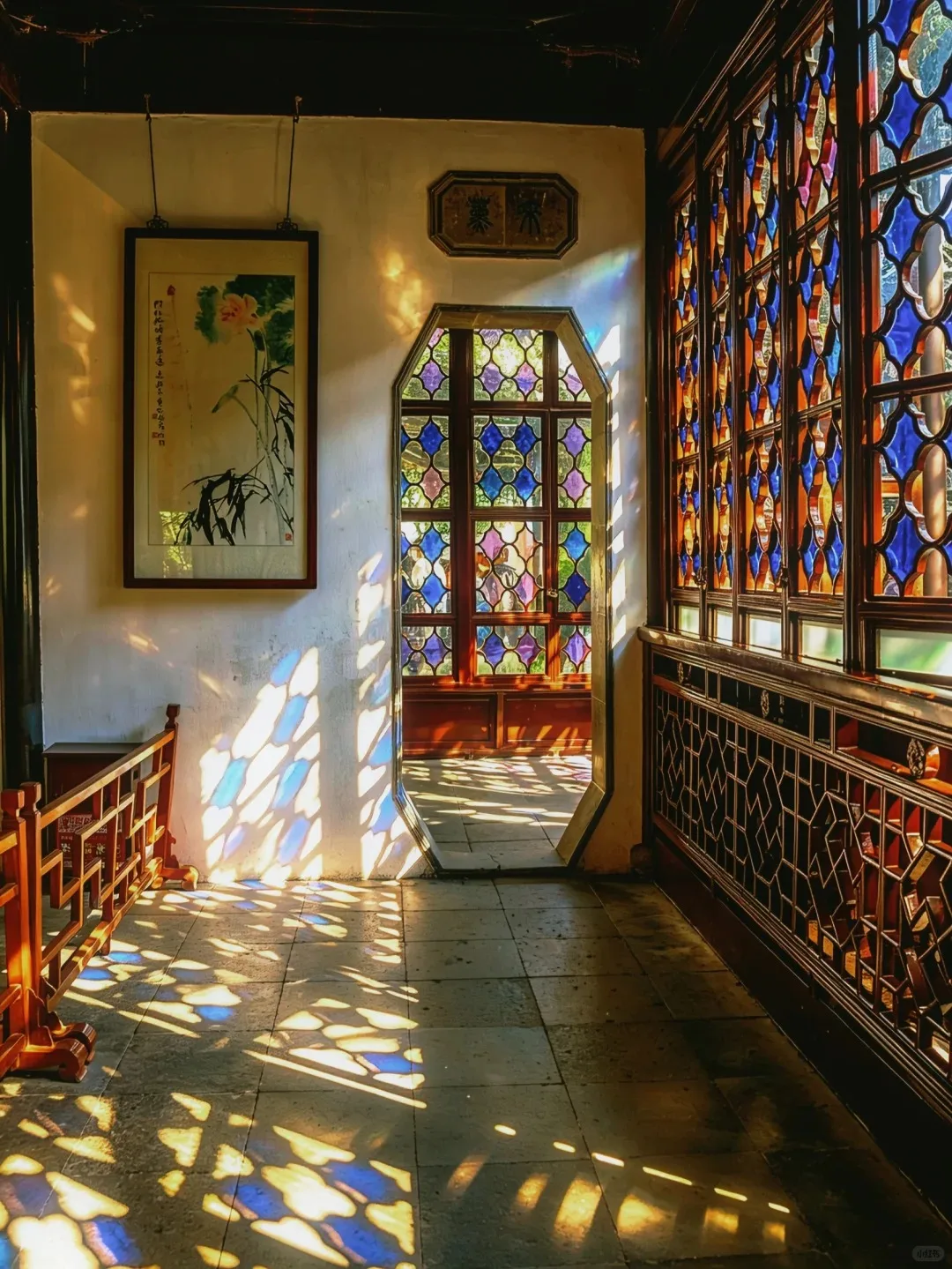
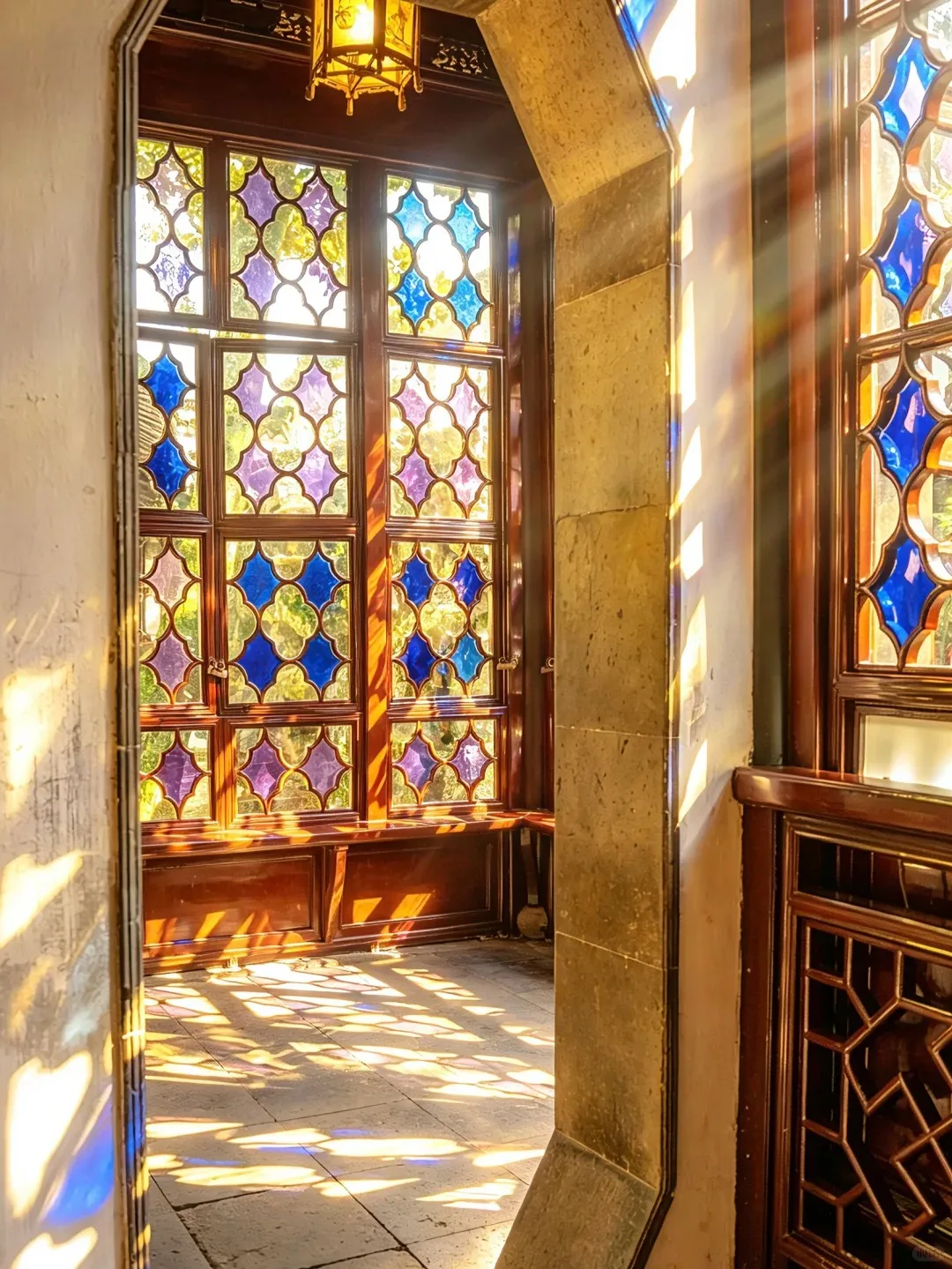
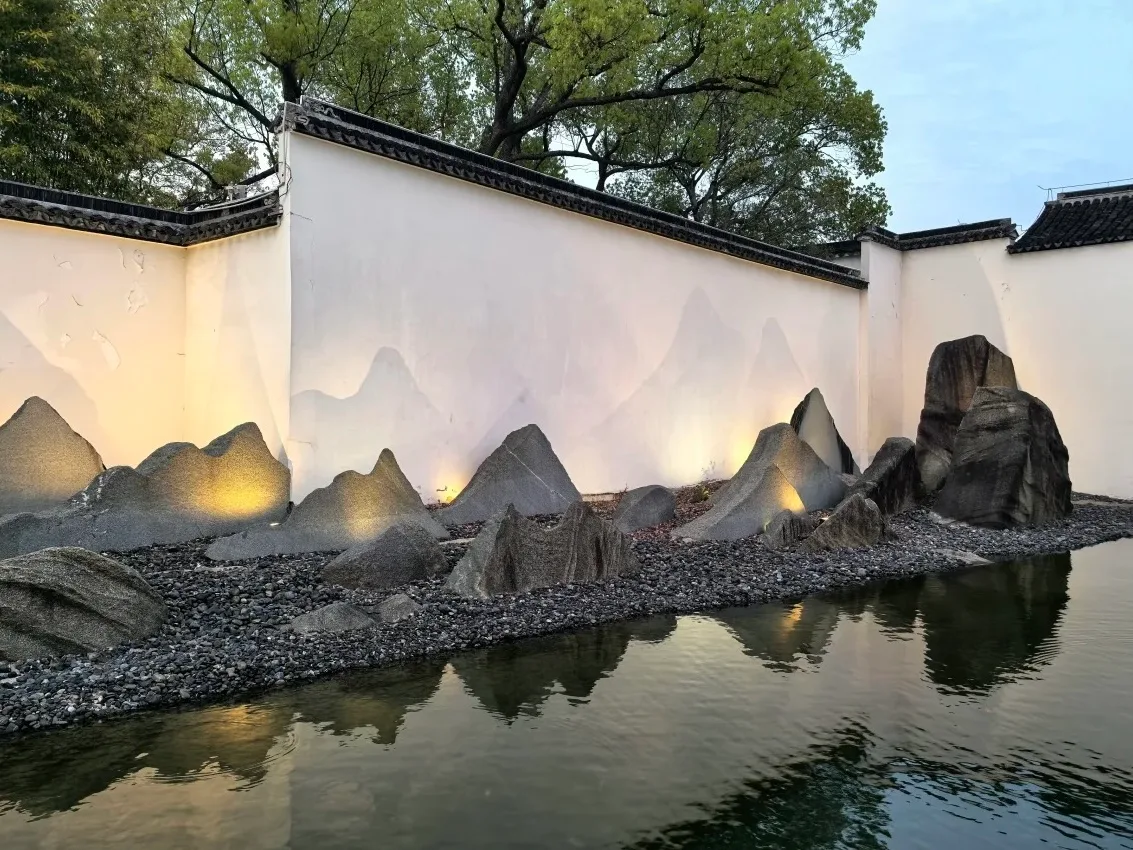
The garden exits onto a pedestrian street full of restaurants — if you're hungry, eat now; if not, keep walking a few minutes to theSuzhou Museum (苏州博物馆). Admission is free but requires a timed reservation, so book it ahead.
The building is one of the late masterpieces of I. M. Pei (贝聿铭), whose family roots are in Suzhou: white walls, dark grey framing and water courtyards that translate the classical garden into modern geometry. Beyond the architecture, the collections — Wu-school painting, jade, ritual objects — are the fastest way to understand what this city has cared about for a thousand years.
The plan allows about an hour — a fast pass through the courtyards and the main halls. The museum honestly deserves more; if it captures you,skip Pingjiang Road and stay. You'll see a prettier water-town lane on a future trip, but this building doesn't exist anywhere else.
14:00 — Pingjiang Road
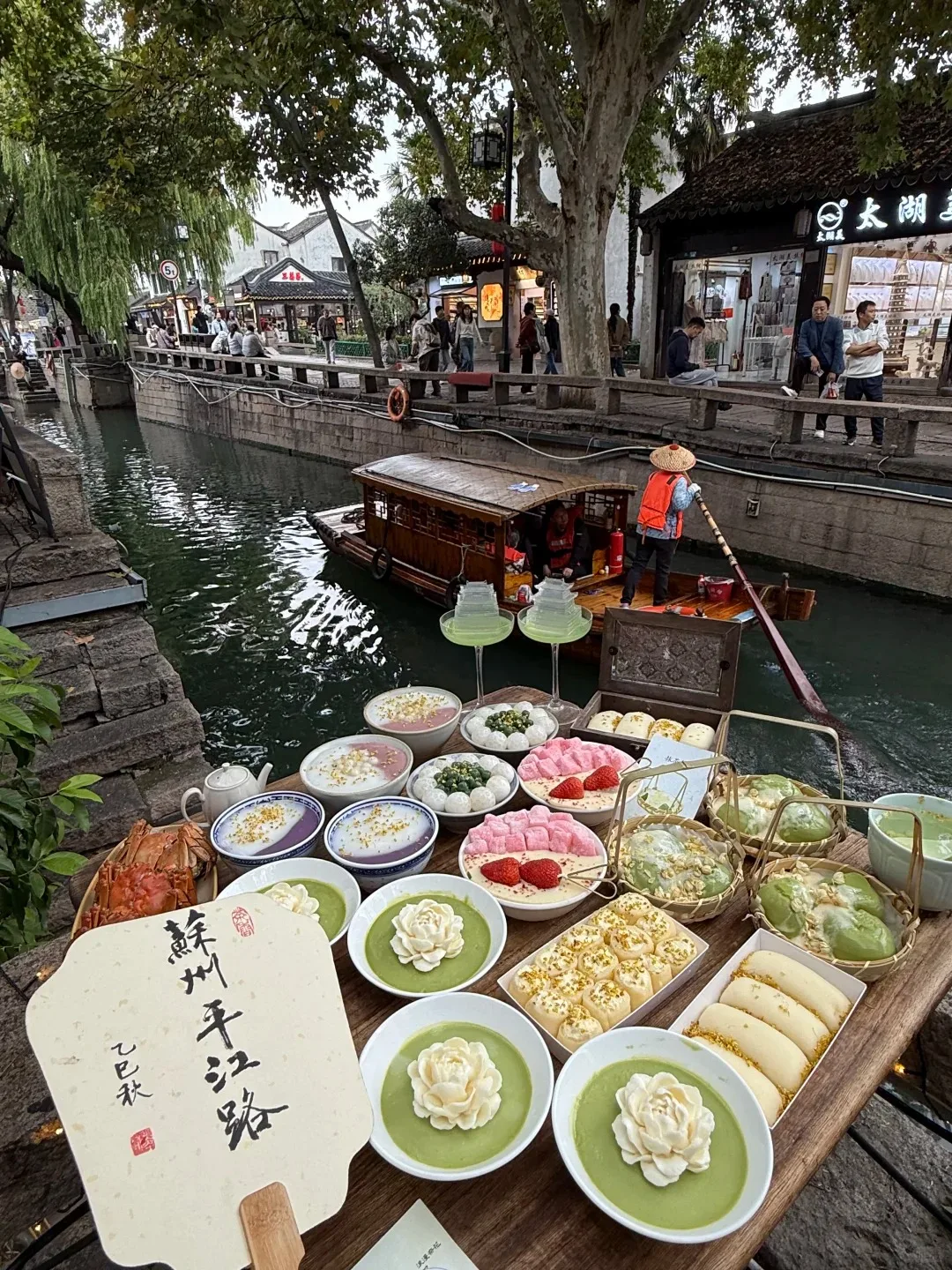
From the museum, walk south a few minutes to Pingjiang Road (平江路) — the old canal-side lane, and the most intact piece of the Song-dynasty street map left in Suzhou. A narrow flagstone street runs beside the canal, white-walled houses and little stone bridges on one side, water on the other. This is the water-town street people imagine before they come to China, and it still functions as a neighborhood, not a stage set.
The soundtrack is free. From the upper windows of the tea houses you'll hearpingtan (评弹) — Suzhou storytelling sung to a pipa — drifting down to the street. You don't need a ticket; slow down, listen for a minute, and keep walking. That's the correct way to consume it here.
Otherwise the rule is wander-and-snack: osmanthus cakes, plum blossom pastries, whatever has a queue of locals. If rain moves in, this is when a hand-made oil-paper umbrella from one of the lane's workshops earns its place in your luggage.
16:00 — The train back
From Pingjiang Road, take a taxi or the metro back to Suzhou Station and catch an afternoon fast train — G8235 or G7017 both work — arriving in Shanghai before dinner. Buy the return ticket in the morning (or when you buy the outbound); late-afternoon Sunday trains back to Shanghai are the one leg that can sell out.
If it rains, this day holds up well: the garden is mostly covered walkways, the museum is indoors, and Pingjiang Road under an umbrella is arguably the better version.